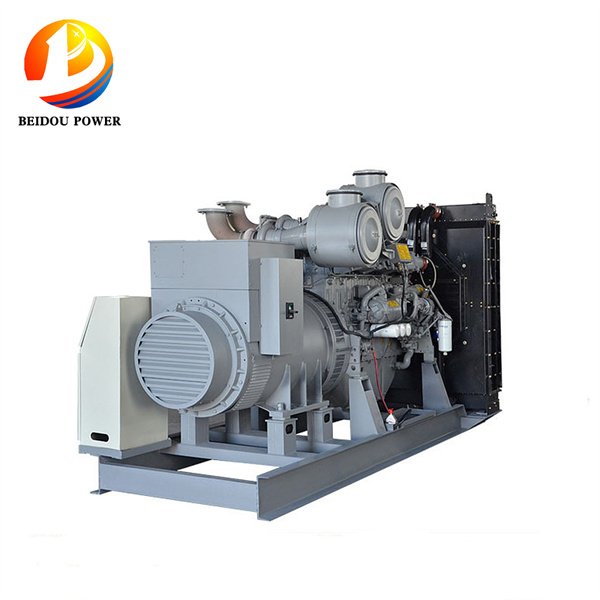
When the lights go out or reliable power is non-negotiable, a high-performing generator isn't just a luxury; it's a lifeline. For many, that lifeline comes emblazoned with the Perkins name. This guide dives deep into what you need to know about a "Perkins 147 Turbo Generator Model Overview & Specifications," exploring the nuances that make these machines a go-to choice for dependable electric power. Whether you’re a facility manager, an industrial buyer, or simply exploring robust power solutions, understanding the specifics of a unit like the Perkins 147 Turbo is crucial for making an informed decision.
At a Glance: What to Expect from a Perkins 147 Turbo Generator
- Robust Power Output: Designed to deliver significant power, often in the 147 kVA/kW class, suitable for diverse industrial and commercial applications.
- Turbocharged Engine: Leverages forced induction for improved efficiency, higher power density, and better performance at altitude.
- Perkins Reliability: Built on decades of engineering excellence, promising durability, longevity, and consistent operation.
- Versatile Applications: Ideal for prime power, standby power, and continuous operation in various environments.
- Comprehensive Specifications: Expect detailed data on engine, alternator, fuel consumption, dimensions, and control systems to match specific operational needs.
- Global Support Network: Access to Perkins' worldwide service and parts network ensures peace of mind and operational continuity.
Understanding the Perkins Legacy in Power Generation
For over 90 years, Perkins has stood as a titan in the engine manufacturing world, powering everything from agricultural machinery to critical infrastructure. Their reputation isn't just built on horsepower, but on unwavering reliability, fuel efficiency, and a commitment to innovation. When it comes to electric power generation, Perkins engines are the heart of countless generator sets worldwide, bringing light, warmth, and protection when it matters most. They work closely with generator set manufacturers to ensure their engines meet stringent performance and environmental standards, making them a trusted choice for demanding applications. You can count on their world-class people to create the innovative, efficient, and reliable power solutions you need.
This long-standing commitment means that any generator carrying a Perkins engine, such as the Perkins 147 Turbo model we're discussing, comes with an inherent promise of quality and support. It's a brand chosen by professionals who cannot afford downtime, whether operating in harsh environments or providing essential emergency power.
Decoding the "147 Turbo" Designation: What Does It Mean for You?
The model name "Perkins 147 Turbo Generator" isn't just a random string of numbers and words; it conveys specific information about the unit's capabilities and design. Let's break it down:
The "147": A Sign of Power Class
While specific Perkins models can sometimes vary in their exact numbering conventions based on region or generator set builder, the "147" almost certainly refers to the generator's power output. In the world of generators, this typically indicates a 147 kVA (kilovolt-amperes) or 147 kW (kilowatts) capacity.
- kVA (Apparent Power): This represents the total electrical power being used by equipment, including both useful power and reactive power.
- kW (Real Power): This is the actual power consumed by the load, directly performing work.
A 147 kVA/kW class generator is a mid-to-large-sized unit, making it suitable for a wide range of applications, from powering substantial commercial facilities and industrial processes to serving as robust emergency backup for critical services. Understanding this power rating is the first step in determining if the generator aligns with your operational demands, and it's vital to consider both prime and standby power ratings.
The "Turbo": The Power of Forced Induction
The "Turbo" in "147 Turbo" is a key indicator of the engine's aspiration method: turbocharging. A turbocharged engine uses exhaust gases to spin a turbine, which in turn drives a compressor that forces more air into the engine's combustion chambers. This process offers several significant advantages over naturally aspirated engines:
- Increased Power Density: By packing more air (and thus more fuel) into each cylinder, a turbocharged engine can produce significantly more power from a smaller displacement. This means more horsepower and torque from a compact, lighter engine block.
- Improved Fuel Efficiency: Turbocharging allows the engine to operate more efficiently, often resulting in lower fuel consumption for the same power output compared to a non-turbocharged counterpart. This translates to cost savings and longer run times between refueling. For those looking to optimize their operational expenses, understanding and implementing optimizing fuel efficiency for your generator can be a game-changer.
- Better High-Altitude Performance: As altitude increases, the air density decreases, reducing engine power. A turbocharger compensates for this thinner air by compressing it, maintaining power output more effectively at higher elevations.
- Reduced Emissions: More efficient combustion often leads to lower exhaust emissions, helping meet increasingly strict environmental regulations.
For a generator, a turbocharged Perkins engine means you're getting a powerful, efficient, and responsive unit capable of handling demanding loads with greater ease and economy. If you're curious about the broader advantages, exploring the benefits of turbocharged engines in power generation can provide even more context.
Core Specifications: What Every Buyer Needs to Know
While specific numerical values for a generic "Perkins 147 Turbo Generator" would require consulting an official product data sheet for a precise model, we can outline the critical specification categories you should always review. This ensures you compare apples to apples and choose a unit perfectly matched to your needs.
1. Power Output Ratings
This is often the first thing people look for. Generator sets typically have two main power ratings:
- Prime Power (PRP): The maximum power available during a variable load sequence, operating for an unlimited number of hours per year, with an average load factor of 70% of the prime power rating over a 24-hour period.
- Standby Power (ESP): The maximum power available for a variable load, for up to 500 hours per year, where the generator supplies power during an outage of the normal utility supply. Overload is not permitted.
For a "147 Turbo," you'd expect to see these listed in both kVA and kW, often with a specific power factor (e.g., 0.8 lagging). For instance, a unit might be rated at 147 kVA (117.6 kW) Prime Power and 160 kVA (128 kW) Standby Power.
2. Engine Details
The heart of the generator, a Perkins engine provides the mechanical power converted into electricity. Key specifications include:
- Engine Model: (e.g., Perkins 1104A-44TG2, Perkins 1106A-70TG1, or similar from the 1100 or 1200 Series). This is crucial for parts and service.
- Number of Cylinders: Typically 4 or 6 for this power class.
- Aspiration: Turbocharged (as per the model name).
- Displacement: The total volume swept by the pistons, usually in liters (e.g., 4.4L, 7.0L). Larger displacement often means more torque.
- Bore & Stroke: Dimensions of the cylinders.
- Engine Speed: Revolutions per minute (RPM), usually 1500 RPM (for 50 Hz output) or 1800 RPM (for 60 Hz output).
- Governor Type: Mechanical or electronic. Electronic governors provide tighter frequency control, essential for sensitive electronics.
- Emissions Compliance: Important for regulatory adherence (e.g., EU Stage IIIA, EPA Tier 2/3).
- Cooling System Type: Water-cooled, with a specific radiator size and fan.
3. Alternator Specifications
The alternator converts the engine's mechanical energy into electrical energy.
- Alternator Brand: (e.g., Leroy Somer, Stamford, Mecc Alte) – reputable brands are common with Perkins engines.
- Type: Brushless, self-excited, single-bearing.
- Voltage: Common outputs like 400/230V (3-phase, 50Hz) or 480/277V (3-phase, 60Hz), or other specific requirements.
- Frequency: 50 Hz or 60 Hz, determined by engine RPM.
- Power Factor: Typically 0.8 lagging.
- Insulation Class: H is standard for high temperature resistance.
- Protection Class: IP23 is common for open sets, higher for canopied/enclosed units.
- Voltage Regulation: Typically +/- 0.5% or better, important for stable power.
4. Fuel System
Efficiency and endurance are key here.
- Fuel Type: Diesel.
- Fuel Tank Capacity: The size of the integrated or external daily fuel tank (e.g., 200 liters, 500 liters).
- Fuel Consumption: Crucial data, usually specified at various load percentages (e.g., 100%, 75%, 50%, 25% load) in liters per hour. This allows you to calculate run time.
- Fuel Filtration: Details on primary and secondary fuel filters.
5. Control System
The "brain" of the generator, managing operation and safety.
- Controller Type: (e.g., Deep Sea Electronics, ComAp, PowerWizard) – typically micro-processor based.
- Features: Auto start/stop capabilities, manual control, remote monitoring options, comprehensive engine and alternator protection (low oil pressure, high water temp, over/under voltage/frequency, etc.), LCD display for readings.
- ATS (Automatic Transfer Switch) Compatibility: Essential for automatic standby applications.
6. Physical Dimensions & Weight
Important for installation planning.
- Length, Width, Height: For both open and sound-attenuated (canopied) versions.
- Dry Weight: The generator's weight without fluids.
- Wet Weight: The generator's weight with all fluids (fuel, oil, coolant).
- Enclosure Type: Open-skid, sound-attenuated canopy, weather-protective canopy.
- Noise Levels: Measured in dB(A) at 7 meters, especially critical for residential or noise-sensitive areas. A sound-attenuated canopy significantly reduces noise.
7. Other Important Considerations
- Battery: Type and capacity (e.g., 12V or 24V DC, maintenance-free).
- Circuit Breaker: Main output circuit breaker rating.
- Muffler: Industrial or residential grade.
- Mounting: Anti-vibration mounts for smooth operation.
When you investigate a specific "Perkins 147 Turbo Generator" model, you'll find these categories filled with precise numbers. Always verify these specifications against the manufacturer's official data sheet or through a qualified dealer.
Key Features & Benefits of a Turbocharged Perkins Generator
Beyond the raw numbers, a Perkins 147 Turbo generator offers a suite of operational advantages that contribute to its value and performance.
Enhanced Power-to-Weight Ratio
Thanks to turbocharging, these engines deliver more power from a relatively compact and lighter package. This is beneficial for installation flexibility, especially in locations with space constraints, and can simplify transport. You're getting significant power without the bulk often associated with larger, naturally aspirated units.
Improved Fuel Efficiency and Lower Running Costs
The inherent efficiency of a turbocharged Perkins engine means more power produced for every liter of diesel consumed. Over thousands of operating hours, these savings accumulate, significantly reducing your total cost of ownership. This efficiency also extends the run time on a given fuel tank size, an essential factor for remote operations or extended outages.
Unquestionable Reliability and Durability
Perkins engines are renowned for their rugged construction and ability to perform consistently in harsh conditions. Designed for longevity and continuous duty, a Perkins 147 Turbo generator is engineered to be a workhorse. Their robust design, coupled with rigorous testing, minimizes the risk of unexpected breakdowns, offering peace of mind. Keeping up with a comprehensive maintenance guide for Perkins engines is vital to ensure this reliability endures.
Versatile Applications
The 147 kVA/kW power class, combined with the turbocharged engine's flexibility, makes this generator highly adaptable:
- Commercial Buildings: Providing backup power for offices, retail spaces, and data centers.
- Industrial Sites: Powering manufacturing processes, construction equipment, and remote operations.
- Healthcare Facilities: Ensuring continuous power for hospitals and clinics where uninterrupted electricity is critical.
- Agricultural Use: Supplying power for irrigation, cold storage, and farm machinery.
- Telecommunications: Essential for maintaining cell towers and communication infrastructure.
This adaptability means a single model can often serve multiple purposes effectively, making it a sound investment for diverse power generation needs. In fact, Perkins offers diverse power generation solutions from Perkins to cover almost any scenario.
Advanced Control and Monitoring Capabilities
Modern Perkins generator sets integrate sophisticated control panels that offer comprehensive monitoring and protection. These systems can:
- Automatically detect power outages and start the generator.
- Provide real-time data on engine parameters (oil pressure, coolant temperature), alternator output (voltage, current, frequency), and fuel levels.
- Implement safety shutdowns to protect the engine and alternator from damage due in fault conditions.
- Support remote monitoring and control, allowing operators to manage the generator from a distance via internet or cellular connections.
These advanced features simplify operation, enhance safety, and enable proactive maintenance.
Environmental Considerations and Emissions Compliance
Perkins is committed to meeting global emissions standards. Turbocharged engines, with their more complete combustion, often contribute to lower particulate matter and NOx emissions. When selecting a generator, it's crucial to confirm its compliance with local and regional emissions regulations (e.g., EPA Tier, EU Stage), as non-compliant units may face restrictions or penalties.
Choosing the Right Perkins 147 Turbo Generator: Your Decision Checklist
Selecting the ideal generator involves more than just looking at the power rating. Here's a checklist to guide your decision-making process for a Perkins 147 Turbo unit:
1. Application and Load Profile (Prime vs. Standby)
- Prime Power: If the generator will be your primary power source, running for extended periods with variable loads, you need a unit rated for prime power. This implies a more robust design for continuous operation.
- Standby Power: If it's solely for emergency backup during utility outages, a standby-rated unit is sufficient. These are designed for intermittent use.
- Continuous Power: For critical applications requiring 24/7 power at a constant load, consult with a specialist, as specific heavy-duty engines are optimized for this.
Accurately calculating your electrical load is paramount. Oversizing can lead to wet-stacking (unburnt fuel accumulation), while undersizing risks overloading and premature failure. It's often beneficial to consult a properly sizing a generator for your needs.
2. Environmental Conditions
- Temperature: Will the generator operate in extreme heat or cold? Ensure the cooling system and engine heaters (for cold starts) are appropriate.
- Altitude: As discussed, turbochargers help at altitude, but confirm the generator's derating curves for your specific elevation.
- Dust/Humidity: Consider additional filtration or corrosion protection for dusty or humid environments.
- Noise Restrictions: If located near residential areas or noise-sensitive zones, a sound-attenuated canopy is essential.
3. Maintenance and Serviceability
Perkins has a vast global service network, but accessibility to parts and qualified technicians can still vary.
- Service Intervals: Understand the recommended maintenance schedule for the engine and alternator.
- Parts Availability: Confirm the ease of sourcing genuine Perkins parts.
- Local Support: Identify authorized Perkins dealers or service centers near your location. This is critical for minimizing downtime.
4. Budget and Return on Investment (ROI)
- Initial Cost: Compare the upfront purchase price of different 147 Turbo models and configurations (open, canopied, mobile).
- Operating Costs: Factor in fuel consumption, maintenance, and potential repair costs over the unit's lifespan. An efficient Perkins engine can offer significant long-term savings.
- Installation Costs: Include site preparation, exhaust routing, fuel line installation, and electrical connections.
5. Emissions Regulations
Always check the current emissions standards for your specific location. Generators are subject to regulations that aim to reduce pollutants. Ensure the chosen model is compliant to avoid fines and operational restrictions.
Installation, Operation, and Maintenance: Maximizing Your Investment
Once you've chosen your Perkins 147 Turbo generator, proper installation, diligent operation, and regular maintenance are key to ensuring its longevity and reliable performance.
Siting and Ventilation
- Stable Foundation: The generator must be installed on a level, solid, vibration-dampening foundation.
- Adequate Ventilation: Proper airflow is crucial for cooling. Ensure inlet and outlet air vents are correctly sized and unobstructed, allowing hot air to dissipate efficiently.
- Exhaust Management: The exhaust system must be designed to safely vent fumes away from personnel and building air intakes.
- Accessibility: Allow sufficient clear space around the unit for maintenance access, inspections, and refueling.
Fuel Quality and Management
- Clean Fuel: Use only clean, high-quality diesel fuel. Contaminated fuel is a leading cause of engine problems.
- Storage: If using an external fuel tank, ensure it's properly sized, installed according to local regulations, and regularly inspected for water or sediment.
- Fuel Polishing: For long-term storage or critical applications, consider fuel polishing systems to maintain fuel purity.
Regular Servicing: The Lifeline of Your Generator
Adhering to the manufacturer's recommended service schedule is non-negotiable. This typically includes:
- Oil Changes: Regular engine oil and filter replacement at specified intervals (e.g., every 250-500 hours).
- Air Filter Inspection/Replacement: Crucial for protecting the engine from dust and debris, especially in harsh environments.
- Fuel Filter Replacement: Regular replacement of primary and secondary fuel filters to prevent fuel system contamination.
- Coolant System Checks: Monitor coolant levels, condition, and concentration of anti-corrosion additives. Flush and replace coolant as per schedule.
- Battery Checks: Inspect battery terminals for corrosion, test voltage, and ensure connections are secure.
- General Inspection: Look for leaks, loose connections, frayed wires, and unusual wear.
A detailed service log should be maintained, documenting all maintenance activities. This not only helps track the unit's history but is also invaluable for troubleshooting.
Monitoring and Diagnostics
Modern Perkins control panels provide a wealth of diagnostic information. Familiarize yourself with error codes and warning indicators. Promptly addressing minor issues can prevent them from escalating into major repairs. Remote monitoring systems can be incredibly valuable for off-site supervision and immediate alert notification.
Common Pitfalls to Avoid
- Running Under Low Load: Continuously operating a diesel generator at very low loads (e.g., less than 30% of its prime rating) can lead to "wet stacking," where unburnt fuel and carbon accumulate in the exhaust system. This reduces efficiency, increases emissions, and can cause damage. Load banking or ensuring adequate load is crucial.
- Neglecting Maintenance: Skipping service intervals significantly increases the risk of breakdown and reduces the generator's lifespan.
- Ignoring Alarms: Never disregard warning lights or alarms. Investigate and resolve them immediately.
- Improper Fuel Storage: Poorly stored fuel can degrade, accumulate water, and cause severe engine problems.
- Lack of Testing (for Standby Units): Standby generators should be exercised regularly (e.g., weekly or monthly) under load to ensure they are ready to perform when needed.
By following these guidelines, you can ensure your Perkins 147 Turbo generator delivers consistent, reliable power for years to come.
Common Questions About Perkins Turbo Generators
What's the difference between prime and standby power ratings?
Prime power is for applications where the generator is the primary source of electricity, running for unlimited hours with a variable load. Standby power is for emergency backup, used only when the main utility power fails, for a limited number of hours per year. Standby ratings are typically higher because they are not designed for continuous operation at peak load.
How often should I service my generator?
Service intervals are specified in the generator's manual. Typically, engine oil and filter changes are recommended every 250-500 operating hours or annually, whichever comes first. More comprehensive inspections are often required at longer intervals. Always refer to the specific model's manual for precise schedules.
Can I run my Perkins generator on alternative fuels?
Perkins engines are designed to run on specific fuel types, predominantly diesel. While some engines can be adapted for alternative fuels (like bio-diesel blends or natural gas), this requires specific engine configurations or modifications. Always consult with a Perkins dealer or a qualified technician before attempting to use any fuel not specified for your model, as it can void warranties and cause severe damage.
What does "turbocharged" mean for fuel consumption?
A turbocharged engine generally offers better fuel efficiency for its power output compared to a naturally aspirated engine of comparable power. This is because the turbocharger forces more air into the engine, leading to more complete combustion and extracting more energy from each unit of fuel. However, actual fuel consumption rates will depend on the load percentage, engine speed, and specific operating conditions.
Is the Perkins 147 Turbo generator suitable for critical applications like hospitals?
Yes, a Perkins 147 Turbo generator, when properly specified, installed, and maintained, is well-suited for critical applications. Its combination of robust power, reliability, and advanced control systems makes it a strong contender for providing essential power in hospitals, data centers, and other vital facilities where uptime is paramount. Always ensure the unit's specific ratings (especially standby and transient response) meet the demands of the critical load.
The Bottom Line: Powering Your World with Confidence
Investing in a Perkins 147 Turbo generator means choosing a power solution engineered for performance, reliability, and efficiency. While the exact specifications of a "147 Turbo" model will depend on the specific generator set manufacturer and its configuration, the core promise of a Perkins turbocharged engine remains constant: robust power delivered with fuel economy and the backing of a world-renowned brand.
By diligently reviewing the core specifications, understanding the benefits of a turbocharged design, and committing to proper installation and maintenance, you can ensure your Perkins generator stands ready to provide dependable power whenever and wherever it's needed. This empowers you to keep operations running smoothly, protect vital assets, and maintain peace of mind, knowing your power supply is in expert hands. For more detailed information, consider exploring a dedicated Perkins generator 147 turbo guide which can provide deeper insights into specific models and configurations.