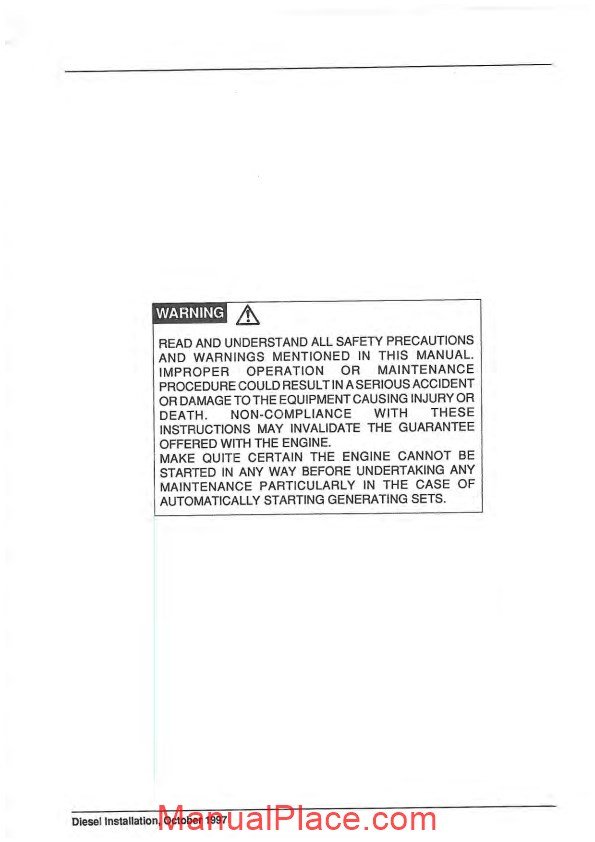
When it comes to the powerhouse that is the Perkins 147 Turbo, whether it's driving a critical piece of machinery or generating essential power, its performance hinges on one core principle: doing things right from the start. This isn't just about making it run; it's about optimizing its lifespan, ensuring peak efficiency, and, most importantly, keeping everyone safe. Diving into the nuances of Installation, Operation & Safety Guidelines for Perkins 147 Turbo isn't merely a suggestion – it's your operational imperative.
This comprehensive guide cuts through the jargon, offering clear, actionable advice that any owner or operator can understand and implement. Consider it your trusted companion alongside your official Perkins documentation, empowering you to handle your 147 Turbo with the confidence of a seasoned expert.
At a Glance: Your Perkins 147 Turbo Essentials
- Official Manual is King: Always start with your engine's specific Operation and Maintenance Manual (OMM). It's the definitive guide.
- Safety First: Understand and mitigate risks associated with installation, operation, and maintenance. PPE is non-negotiable.
- Meticulous Installation: Proper mounting, connection of all systems (fuel, lube, cooling, electrical, air, exhaust) prevents future headaches.
- Systematic Start-Up: Don't rush the first fire-up. Pre-checks and priming are crucial for engine health.
- Vigilant Operation: Monitor key indicators constantly and understand appropriate load management.
- Consistent Maintenance: Adhere strictly to service schedules and use recommended fluids to ensure longevity.
- Know Your Engine: Locate your engine serial number to access tailored support and documentation.
The Engine's Blueprint: Why Your Perkins OMM is Non-Negotiable
Before a single wrench turns or a drop of fuel enters the system, your first port of call must be the official Perkins Operation and Maintenance Manual (OMM) specifically for your 147 Turbo engine. While we'll cover general best practices here, remember that specific models, serial numbers, and application variations can introduce critical differences in procedures, fluid types, torque settings, and safety warnings. This manual isn't just a formality; it's the authoritative guide crafted by the engineers who designed your engine.
Your OMM typically covers vital sections such as:
- Safety: Model-specific warnings and precautions.
- Product Information: Unique features, specifications, and identification.
- Operation: Start-up, running, and shutdown procedures.
- Maintenance: Detailed schedules, fluid recommendations (capacities, types), and step-by-step procedures for servicing components.
Think of this article as providing the framework, but your OMM delivers the precise dimensions and materials. For comprehensive details on getting the most from your Perkins 147 turbo engine, always cross-reference with your official manual.
Getting Started Right: Pre-Installation Checklist for Your 147 Turbo
A smooth operation begins long before the engine is even mounted. Pre-installation planning and preparation are critical to avoiding costly mistakes and ensuring optimal performance.
Site Survey and Preparation
Consider the environment where your Perkins 147 Turbo will operate. Is it well-ventilated? Is there adequate space for maintenance access?
- Foundation: Ensure the mounting surface is level, robust, and capable of handling the engine's weight and any associated vibrations. A stable foundation minimizes strain on the engine and connected equipment.
- Ventilation: Good airflow is essential for cooling and dispersing exhaust fumes. Plan for adequate inlet and outlet vents, especially in enclosed spaces, to prevent heat buildup.
- Accessibility: Design your layout with future maintenance in mind. Can you easily reach filters, fill points, drain plugs, and inspection areas without dismantling other components?
- Environmental Protection: Will the engine be exposed to harsh elements (dust, moisture, extreme temperatures)? Consider enclosures or protective measures.
Uncrating and Initial Inspection
Even a brand-new engine can suffer damage in transit. Take your time during uncrating.
- Careful Handling: Use appropriate lifting equipment, observing all lifting points indicated on the engine. Avoid sudden jolts or impacts.
- Visual Inspection: Look for any signs of physical damage: bent hoses, cracked castings, loose components, fluid leaks. Document anything suspicious immediately.
- Check for Completeness: Verify that all supplied components and accessories are present against the packing list.
- Documentation: Ensure you have the engine's serial number and all accompanying documentation readily available. This data is critical for obtaining your specific OMM.
Tools and Supplies
Gather all necessary tools, fluids, and consumables before you begin installation. This includes:
- Correct size wrenches, sockets, and torque wrenches.
- Measuring instruments (spirit level, feeler gauges, multi-meter).
- Approved lifting gear.
- All specified fluids (engine oil, coolant, fuel).
- New filters (oil, fuel, air) as needed for commissioning.
- Hoses, clamps, fittings, and sealing compounds.
- Personal Protective Equipment (PPE).
From Crate to Core: The Installation Process
This is where your meticulous planning pays off. Each system connected to your Perkins 147 Turbo plays a vital role in its overall health.
1. Physical Mounting & Vibration Control
The secure attachment of your engine is fundamental.
- Engine Mounts: Install the engine on its designated mounts. These mounts are designed to absorb vibrations and protect both the engine and its platform. Ensure they are correctly oriented and tightened to the specified torque.
- Alignment: If coupling the engine to a generator, pump, or other driven equipment, precise alignment is paramount. Misalignment is a leading cause of premature bearing wear, vibration, and component failure. Use shims and specialized tools to ensure perfect alignment, both angular and parallel.
- Fasteners: Use only high-grade fasteners. Apply thread locker where recommended in your OMM to prevent loosening due to vibration.
2. Fuel System Integrity
A clean, reliable fuel supply is critical for any diesel engine.
- Fuel Tank: Position the fuel tank appropriately, ensuring it's free of contaminants. The tank should be large enough for operational needs and designed to prevent water ingress.
- Lines and Hoses: Use high-quality fuel lines and hoses that are resistant to diesel fuel. Route them to avoid kinks, chafing, and heat sources. Secure them with appropriate clamps.
- Filtration: Install primary and secondary fuel filters according to your OMM. Pre-fill filters with clean fuel before installation to aid in priming and prevent airlocks.
- Priming Pump: Familiarize yourself with the manual fuel priming pump (if equipped). This will be crucial for initial start-up and after filter changes.
- Leak Checks: After all connections, visually inspect for leaks.
3. Lubrication: More Than Just Oil
The lubrication system is the lifeblood of your engine, reducing friction and dissipating heat.
- Initial Oil Fill: Fill the engine with the exact type and grade of engine oil specified in your Perkins OMM. Do not overfill or underfill. Use a clean funnel to prevent contamination.
- Oil Filter: Install a new, genuine Perkins oil filter. Pre-fill it with clean oil where possible to minimize dry running on first start.
- Pre-Lubrication (Optional but Recommended): For new or overhauled engines, consider pre-lubricating the engine by manually turning it over (if safe to do so) or using a dedicated pre-lube pump to circulate oil before the first start. This ensures critical components are coated with oil.
4. Cooling for Peak Performance
Overheating is an engine killer. A properly installed cooling system is vital.
- Radiator/Heat Exchanger: Mount the radiator or heat exchanger securely, ensuring clear airflow. Check for any bent fins.
- Hoses and Clamps: Use high-quality, reinforced coolant hoses and secure them with appropriate clamps. Double-check for tightness.
- Coolant Type: Fill the system with the precise coolant mixture (antifreeze/water ratio) and type specified in your OMM. Using the wrong coolant can lead to corrosion or ineffective heat transfer.
- Bleeding Air: Air pockets in the cooling system can cause hot spots and reduce efficiency. Follow the OMM's procedure for filling and bleeding air from the system. This often involves slowly filling the system and running the engine with the cap off until the thermostat opens.
5. Airflow & Exhaust Management
Proper breathing and exhaust removal are crucial for engine efficiency and safety.
- Air Intake: Install the air cleaner and intake piping. Ensure all connections are airtight to prevent unfiltered air from entering the engine. Route intake piping to draw in cool, clean air.
- Exhaust System: Connect the exhaust manifold to the muffler and exhaust piping. Ensure joints are sealed properly to prevent exhaust gas leaks, which are both inefficient and dangerous (carbon monoxide).
- Exhaust Routing: Route the exhaust system away from personnel, flammable materials, and intake vents. Ensure it has proper support to prevent stress on the turbocharger and manifold.
6. Electrical Connections: Powering Up Safely
Incorrect electrical wiring can damage components or pose severe safety risks.
- Battery: Install the correct size and type of battery. Connect positive and negative terminals correctly and securely. Ensure good ground connections.
- Wiring Harness: Connect the engine's wiring harness to the control panel or vehicle system. Follow wiring diagrams meticulously. Secure loose wiring to prevent chafing or damage.
- Fuses and Circuit Breakers: Verify that all fuses and circuit breakers are correctly installed and of the specified rating.
- Grounding: Ensure the engine and its associated equipment are properly grounded to prevent electrical hazards and interference.
7. Turbocharger Integration: A Delicate Balance
The 147 Turbo is a key performance component. Handle it with care.
- Pre-Lubrication: Before connecting the exhaust and intake, it's often recommended to pre-lubricate the turbocharger bearing by manually pouring a small amount of clean engine oil into the oil inlet port. This ensures the bearing is not dry at first start-up.
- Tight Connections: Ensure all turbocharger intake, exhaust, and oil lines are securely connected and free of leaks. Even small leaks can severely impact turbo performance.
- Clearances: Ensure nothing obstructs the turbocharger's impeller or turbine wheels. Any foreign object can cause catastrophic damage.
For more detailed technical specifications on maintaining the Perkins 147 turbo's peak performance, refer to your specific model's service literature.
The Moment of Truth: First Start-Up and Commissioning
This sequence is vital for the long-term health of your engine. Don't rush it.
- Final Pre-Checks: Re-walk through every connection, fluid level, and mounting point. Double-check all fasteners. Ensure no tools or debris are left on or near the engine.
- Prime the Fuel System: Follow your OMM's procedure to prime the fuel system, removing all air. You'll often operate a manual priming pump until resistance is felt or fuel appears at a bleed point.
- Engine Crank (Without Fuel): In some cases, particularly after an overhaul, it's recommended to crank the engine without allowing it to start (e.g., by temporarily disabling the fuel solenoid or injectors). This builds oil pressure before combustion. Consult your OMM.
- Initial Start: Start the engine. It may take a few seconds longer than usual to catch. Do not crank continuously for more than 15-20 seconds; allow the starter to cool between attempts.
- Monitor Immediately: As soon as it starts, watch the oil pressure gauge. It should rise quickly. Listen for unusual noises, and visually scan for fluid leaks, exhaust leaks, or smoke.
- Idle and Warm-Up: Allow the engine to idle and warm up gradually. Observe temperature gauges. Check the cooling system for proper circulation and ensure any air trapped during filling is purged.
- Brief Load Test (If Applicable): Once warm, if the application allows, apply a light load briefly to observe performance. Gradually increase load as per the commissioning plan.
- Shutdown and Re-Check: After a short operational period, shut down the engine. Once cool, re-check all fluid levels (oil, coolant), and inspect connections again for any signs of loosening or leaks that might appear under vibration or thermal expansion.
Mastering Daily Operations: Running Your Perkins 147 Turbo
Operating your Perkins 147 Turbo effectively isn't just about turning a key; it's about intelligent management.
- Pre-Operation Checks: Before each use, quickly check engine oil level, coolant level, and fuel supply. Look for any visible leaks or damage.
- Warm-Up Period: Always allow the engine to warm up sufficiently before applying full load. Running a cold engine hard can cause excessive wear.
- Load Management: Operate the engine within its specified load range. Constantly running at very light loads (wet stacking) or continuous overloading can both lead to problems. The 147 Turbo is designed for efficient performance under appropriate load.
- Monitoring Instruments: Pay close attention to your oil pressure, coolant temperature, and voltmeter. Any sudden deviation from normal operating parameters warrants immediate investigation and potential shutdown.
- Listen to Your Engine: Develop an ear for your engine's normal sounds. Any new knocking, rattling, or whistling could indicate an issue.
- Proper Shutdown: Allow the engine to cool down at idle for a few minutes before shutting it off, especially after running under heavy load. This allows the turbocharger to cool gradually, preventing coking of oil in its bearings. Immediately shutting down a hot engine can drastically shorten turbo life.
For ongoing operational insights and to proactively address potential issues, consider reviewing your Perkins 147 turbo's operational best practices.
The Lifeline of Your Engine: Essential Maintenance & Fluid Management
Routine maintenance is not a chore; it's an investment that pays dividends in reliability and longevity. Ignoring it is a guaranteed path to premature failure.
Why Maintenance Matters
- Preventative: Catch small issues before they become catastrophic failures.
- Efficiency: Maintain optimal fuel economy and power output.
- Longevity: Extend the overall lifespan of your engine.
- Safety: Ensure all systems are functioning correctly, reducing operational hazards.
Fluid Specifications: Don't Guess
Your Perkins OMM contains precise recommendations for all fluids. Deviating from these can cause significant damage.
- Engine Oil: Use the specified API/ACEA classification and viscosity (e.g., SAE 15W-40) for your operating temperature range. Genuine Perkins oil, or equivalent meeting specifications, is always recommended.
- Coolant: A high-quality, nitrite-free, extended-life coolant (ELC) is typically specified. The correct concentration (antifreeze/water mix) is crucial for both freeze protection and corrosion inhibition.
- Fuel: Use clean, high-quality diesel fuel suitable for your region's climate. Ensure it meets international standards (e.g., EN 590). Be wary of contaminated fuel, as it's a major cause of injector and fuel pump problems.
Maintenance Interval Schedules
Your OMM will provide a detailed schedule, typically broken down by hours of operation or calendar time (whichever comes first). Common intervals include:
- Daily/Pre-Start: Check fluid levels, visual inspection.
- 50-250 Hours: Oil and oil filter change. Check belt tension.
- 250-500 Hours: Fuel filter change. Inspect air filter. Check battery.
- 500-1000 Hours: Coolant analysis/change. Valve clearance check/adjustment. Inspect turbocharger.
- Annual/Bi-Annual: More comprehensive checks, potentially including injector inspection or major component review.
Key Maintenance Procedures
- Oil & Filter Change: Always drain old, hot oil completely. Replace the oil filter with a new, genuine part. Refill with fresh oil to the correct level.
- Fuel Filter Change: Change filters as per the schedule. Be meticulous about cleanliness. Always pre-fill new fuel filters with clean fuel. Bleed the fuel system afterward to remove air.
- Air Filter Inspection/Replacement: Regularly check the air filter for dirt and debris. Replace it when specified or if heavily contaminated. A dirty air filter starves the engine of air, reduces power, and increases fuel consumption.
- Coolant Checks: Regularly check coolant level and condition. Use a refractometer to check glycol concentration. Consider professional coolant analysis to detect contaminants or degradation.
- Belt Inspection: Check all drive belts for tension, cracks, and wear. Adjust or replace as necessary.
- Valve Clearances: This is a critical adjustment that maintains engine efficiency and longevity. Always refer to your OMM for the correct specifications and procedure; this is usually a job for a qualified technician.
Regular, diligent maintenance is the strongest shield against unexpected downtime. For comprehensive guidance on servicing your Perkins 147 turbo engine, consult your engine's specific manual.
Safety Above All: Protecting Yourself and Your Investment
Working with heavy machinery like the Perkins 147 Turbo carries inherent risks. A culture of safety isn't optional; it's essential for preventing injuries and damage.
- Personal Protective Equipment (PPE):
- Eye Protection: Always wear safety glasses or goggles.
- Hand Protection: Use appropriate gloves (e.g., work gloves for general handling, nitrile for fluid contact).
- Hearing Protection: Earplugs or earmuffs are crucial when the engine is running.
- Foot Protection: Steel-toed boots are recommended in work areas.
- Respiratory Protection: If working in poorly ventilated areas or dealing with fumes, consider a respirator.
- Hot Surfaces & Fluids:
- Engines, especially the turbocharger and exhaust system, get extremely hot during operation and remain hot for a significant time after shutdown. Allow components to cool before working on them.
- Hot oil, coolant, and fuel can cause severe burns.
- Pressurized systems (fuel, cooling) can release fluids with dangerous force. Depressurize before opening.
- Rotating Parts:
- Keep hands, tools, and loose clothing away from belts, fans, pulleys, and the flywheel when the engine is running or could accidentally start.
- Always disconnect the battery before working on rotating components or when there's a risk of accidental start-up.
- Electrical Safety:
- Disconnect the battery's negative terminal first when working on electrical systems.
- Never bypass safety interlocks or fuses.
- Ensure all wiring is properly insulated and grounded.
- Fire Hazards:
- Diesel fuel is flammable. Keep ignition sources away from fuel and fuel system components.
- Ensure fire extinguishers (Type ABC) are readily available in the work area.
- Address any fuel or oil leaks immediately.
- Exhaust Fumes:
- Diesel exhaust contains carbon monoxide and other harmful gases. Operate engines only in well-ventilated areas. Never run an engine in an enclosed space without proper exhaust ventilation.
- Lifting & Moving:
- Use correct lifting points and properly rated equipment. Ensure the load is balanced and secured.
- Emergency Preparedness:
- Know the location of emergency shut-offs.
- Have a first-aid kit readily accessible.
- Understand emergency procedures for spills, fires, or injuries.
Remember, safety protocols aren't just rules; they're the embodiment of experience gained from past incidents. Never take shortcuts.
When Things Don't Go to Plan: Basic Troubleshooting
Even with perfect installation and maintenance, issues can arise. Here's a general approach to troubleshooting:
- Identify the Symptom: What exactly is happening? (e.g., "Engine won't start," "Loss of power," "Excessive smoke," "Overheating").
- Check the Obvious: Is there fuel in the tank? Is the battery charged? Are all switches in the correct position?
- Consult Your OMM: Your Perkins OMM will have a dedicated troubleshooting section with common symptoms and likely causes. This is your most valuable resource.
- Follow a Logical Process: Don't just randomly change parts. Start with the simplest, most likely causes and systematically work through the possibilities.
- Focus on the Core Systems: Most engine problems relate to fuel, air, compression, or timing.
- When to Call a Pro: If you're unsure, lack the proper tools, or if the problem is complex, don't hesitate to call a certified Perkins distributor or technician. Attempting repairs beyond your skill level can lead to further damage or injury.
Beyond Routine: Maximizing Your 147 Turbo's Lifespan
While the OMM provides the foundation, a few extra "pro tips" can further extend the life and efficiency of your Perkins 147 Turbo.
- Fuel Quality is Paramount: Don't compromise on fuel. Invest in a reputable supplier and ensure your storage tanks are clean and free of water. Fuel contamination is a leading cause of injector and fuel pump failures.
- Coolant Analysis: Beyond just changing coolant, periodic professional coolant analysis can detect early signs of internal engine issues (e.g., liner pitting, head gasket leaks) or additive depletion.
- Oil Analysis: Similar to coolant, oil analysis can reveal wear metals, contamination, and the remaining life of your oil, allowing for more informed maintenance decisions.
- Keep it Clean: A clean engine allows for better heat dissipation and easier identification of leaks. Regularly clean the exterior of the engine and the radiator fins.
- Regular Inspections: Beyond scheduled maintenance, make a habit of quick visual inspections. Look for loose hoses, chafed wiring, minor leaks, or unusual deposits.
- Proper Storage: If the engine will be out of service for an extended period, follow your OMM's specific guidelines for long-term storage, which often involves fuel stabilizers, specific oil treatments, and sealing intake/exhaust.
Staying on top of these nuanced aspects of optimizing your Perkins 147 turbo's longevity can make a significant difference.
Your Personal Engine Manual: How to Find Your OMM
As emphasized throughout this guide, your specific Operation and Maintenance Manual is the ultimate authority. Perkins makes it accessible.
- Locate Your Engine Serial Number: This is crucial. The serial number can typically be found on the engine data plate (usually on the engine block) or on your original sales order acknowledgment. The first few letters of the serial number represent your engine family and type code.
- Access Online: Visit the official Perkins website (perkins.com) and navigate to their 'Operation & Maintenance Manuals' section. You'll often be able to search or browse by engine family type.
- Perkins My Engine App: For many engines (especially those UN ECE R96 Stage IIIA or below), the Perkins My Engine App offers digital access to OMMs and parts books.
- Local Distributor: If you prefer a paper copy or can't find your manual online, your local authorized Perkins distributor can provide one. They are also your go-to resource for any additional questions or support regarding your Perkins 147 turbo engine.
Empowering Your Engine's Future
The Perkins 147 Turbo is an exceptional piece of engineering, designed for reliability and performance. By diligently following these installation, operation, and safety guidelines – and always referring to your specific Operation and Maintenance Manual – you're not just maintaining a machine; you're safeguarding an investment, ensuring its reliable service for years to come, and most importantly, protecting everyone who interacts with it. Approach every task with knowledge, care, and a commitment to safety, and your Perkins 147 Turbo will reward you with unwavering power.