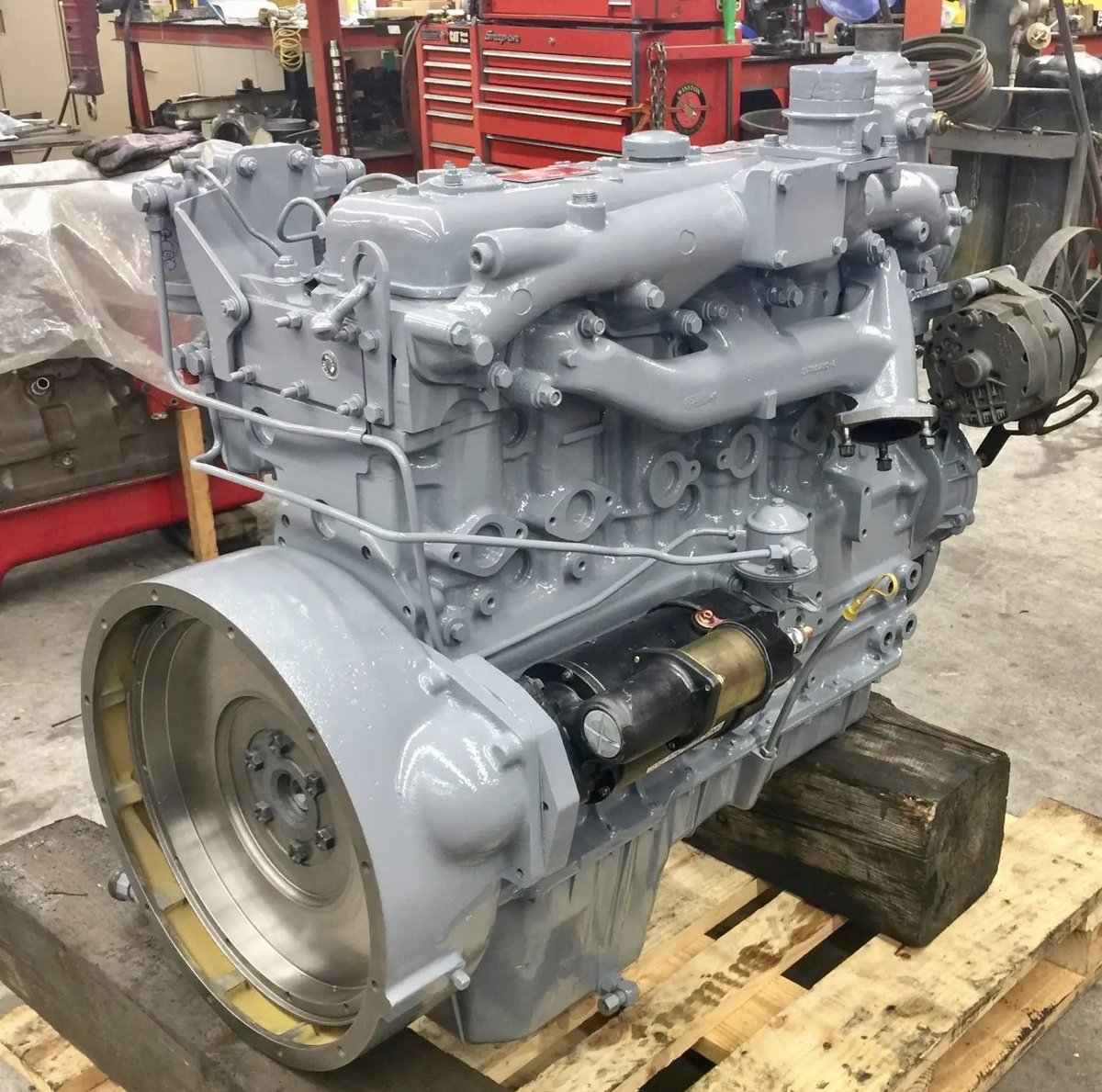
When the heart of your operation relies on a Perkins 147 Turbo Engine, every beat counts. Ensuring that heart remains strong, reliable, and efficient boils down to one critical decision: your approach to Genuine Parts & Component Sourcing for Perkins 147 Turbo Engines. This isn't just about replacing a broken piece; it's about safeguarding your investment, maximizing uptime, and upholding the integrity of an engine designed for peak performance and stringent emission standards. Skimping on parts can lead to a cascade of problems, from diminished power and fuel inefficiency to outright engine failure. The real cost isn't just the cheap part you bought, but the costly downtime and potential damage to your entire system.
At a Glance: Why Genuine Matters for Your Perkins 147 Turbo
- Guaranteed Fit & Performance: Genuine parts are designed, tested, and built by Perkins specifically for your engine model.
- Enhanced Reliability: Strict quality control means each component meets high standards for durability and longevity.
- Extended Engine Life: Reduces wear and tear on interconnected components, preserving the engine’s overall health.
- Compliance with Standards: Ensures your engine continues to meet crucial emission regulations.
- Expert Support: Access to knowledgeable parts specialists who understand your engine deeply.
- Peace of Mind: Avoid the risks of premature failure, costly repairs, and unexpected downtime.
The Unseen Costs of Cutting Corners: Why Aftermarket Isn't Always a Bargain
It's tempting to opt for cheaper, non-genuine alternatives when a part needs replacing. On the surface, the savings can look attractive. However, this initial financial relief often masks a deeper, more expensive problem waiting to unfold, especially with an engine as precisely engineered as the Perkins 147 Turbo.
These engines are complex systems where every component is designed to work in perfect harmony. An aftermarket part, while appearing similar, might not meet the exact material specifications, tolerances, or quality controls of its genuine counterpart. Imagine a turbocharger impeller that's slightly off-balance, or a fuel injector that delivers an inconsistent spray pattern. In a high-stress environment like a turbo engine, these minor discrepancies can lead to:
- Reduced Performance: Lower power output, increased fuel consumption, or inconsistent operation.
- Premature Failure: Parts wearing out faster, leading to more frequent replacements and repair cycles.
- Damage to Related Components: A faulty gasket might cause leaks, impacting other critical systems. An inferior filter could allow contaminants to reach delicate engine parts.
- Voided Warranties: Many engine warranties stipulate the use of genuine parts to maintain coverage.
- Safety Risks: Substandard parts can fail unpredictably, creating dangerous situations in operational machinery.
- Emission Non-Compliance: Genuine Perkins parts are designed to help your engine meet stringent North American emission standards. Aftermarket parts might compromise this, leading to regulatory issues.
In essence, the initial "saving" on a non-genuine part is often dwarfed by the eventual costs of decreased efficiency, repairs, and lost operational time. For a Perkins 147 Turbo engine, which is relied upon for material handling and other demanding applications, minimizing downtime is paramount.
Defining "Genuine": What You're Really Paying For
When you choose a genuine Perkins part, you're not just buying a piece of metal or rubber; you're investing in decades of engineering excellence, rigorous testing, and a commitment to reliability. Perkins has built a trusted reputation over 40 years, developing engines known for their robust performance and extended usable life. This reputation is meticulously upheld through their parts manufacturing process.
According to industry insights, genuine Perkins parts are built to deliver lasting, high-quality performance. Each engine and small part undergoes thorough testing and inspection to ensure they meet the exacting Perkins standard. This means:
- Precision Engineering: Every dimension, material composition, and functional characteristic is precisely matched to the original engine design. There’s no guesswork involved.
- Superior Materials: Components are manufactured from high-grade materials specifically chosen for their durability, heat resistance, and longevity in the demanding environment of a turbo engine.
- Rigorous Testing: Parts are subjected to extensive testing protocols, often mirroring the harsh conditions they'll face in real-world operation, ensuring they can withstand stress, heat, and vibration.
- Optimized Performance: Genuine parts are designed to maintain the engine's original performance specifications, including power output, fuel efficiency, and emission control.
- Designed for Emissions: All Perkins engines, and by extension their genuine parts, are engineered to meet the most stringent emission standards, contributing to a cleaner environment and compliance with regulations.
By choosing genuine, you're ensuring that every component contributes to a longer usable life for your equipment, increasing uptime and keeping costly downtime to a minimum. It's a quality solution that provides value far beyond its initial purchase price.
Your Blueprint for Sourcing Genuine Perkins 147 Turbo Parts
Sourcing the correct genuine parts for your Perkins 147 Turbo engine might seem daunting, but with a structured approach, it becomes a straightforward process. The key is to eliminate ambiguity and go directly to reliable sources.
Step 1: Know Your Engine Inside and Out (The Serial Number is King!)
Before you even think about ordering, gather the vital statistics of your engine. This is arguably the most critical step in ensuring you get the exact right part.
- Make and Model: Clearly identify "Perkins" and "147 Turbo."
- Engine Serial Number: This unique identifier is paramount. It tells the manufacturer everything about your specific engine’s build, including production date, variations, and compatible parts. You'll typically find this on a data plate or sticker located on the engine block. Take a clear photo if possible.
- Part Number (if known): If you're replacing a specific component and have the old part, check for any stamped numbers. This can expedite the process but always cross-reference with your engine serial number.
- Description of the Problem/Faulty Part: A clear explanation helps parts experts narrow down possibilities, even if you don't have a part number.
Equipped with this information, you empower your supplier to provide a timely and effective solution, ensuring your equipment is back on the job as soon as possible.
Step 2: The Gold Standard: Authorized Perkins Dealers and Distributors
When it comes to sourcing genuine Perkins 147 Turbo parts, authorized dealers and distributors are your safest and most reliable bet. They are direct channels from the manufacturer, guaranteeing authenticity and providing a host of other benefits.
- Guaranteed Authenticity: You eliminate the risk of counterfeit or substandard parts.
- Expert Knowledge: Their parts teams are highly trained and experienced with all models of Perkins engines. They can often provide the correct solution even if you don’t know the exact part number, using your engine’s make, model, and serial number. Leavitt Machinery, for instance, emphasizes that their experts can cross-reference with their database to find the perfect parts.
- Extensive Inventory: Authorized dealers often stock thousands of high-demand Perkins engine parts for all models, acting as a "one-stop parts shop." This eliminates the need to check multiple vendors and streamlines your procurement process.
- Fast Shipping: Many offer fast shipping options, including next-day delivery for most orders, which is crucial for minimizing downtime.
- Warranty Support: Genuine parts purchased through authorized channels typically come with manufacturer warranties, offering additional protection.
When searching for a supplier, prioritize those who explicitly state they provide "genuine Perkins parts" and demonstrate a deep understanding of the product line.
Step 3: What to Ask Your Supplier
Even with an authorized dealer, asking the right questions can clarify your purchase and ensure peace of mind:
- "Can you confirm this is a genuine Perkins part, new in packaging?"
- "What is the warranty period for this component?"
- "Do you have this part in stock, and what are the shipping options to my location?"
- "Can you verify compatibility with my Perkins 147 Turbo engine, serial number [Your Serial Number]?"
- "Are there any bulk discounts available if I'm ordering multiple items or for future inventory?" (Some dealers can pass on discounts if they purchase in bulk, as noted by Leavitt Machinery).
Step 4: Decoding Part Numbers and Catalogs
Perkins, like other major manufacturers, uses a structured system for part numbers. While your supplier's expert will handle most of this, a basic understanding can be helpful. Part numbers are unique identifiers that ensure precision. If you have an old part, inspect it carefully for stamped numbers or labels. Authorized dealers have sophisticated databases that link these numbers to your engine's serial number, preventing costly errors. Rely on their expertise but provide them with all the information you have.
Common Genuine Perkins 147 Turbo Components You'll Encounter
Maintaining your Perkins 147 Turbo engine involves a range of components that will eventually require replacement. Sourcing these as genuine parts is vital for the engine's overall health and longevity. Here's a look at some of the most common categories:
- Turbocharger Components: Given it's a "Turbo" engine, parts like the compressor wheel, turbine wheel, bearings, and housings are critical. The turbo operates at extremely high speeds and temperatures, demanding precise engineering and robust materials only found in genuine components.
- Fuel System Parts: Injectors, fuel pumps, lines, and filters must meet exact specifications for fuel delivery, ensuring efficient combustion and preventing damage to the engine. Genuine components prevent issues like poor atomization or inconsistent fuel pressure.
- Filtration Systems: Oil filters, fuel filters, and air filters are the engine's first line of defense against contaminants. Genuine filters are designed with specific micron ratings and flow characteristics to protect delicate internal parts without restricting essential flow.
- Gaskets and Seals: Often overlooked but incredibly important, genuine gaskets and seals provide a perfect, leak-free fit, preventing fluid loss and maintaining correct internal pressures. Inferior seals can lead to leaks, contamination, and costly damage.
- Belts and Hoses: These components, while seemingly simple, are crucial for power transfer (belts) and fluid circulation (hoses). Genuine belts are designed for specific tension and load, while hoses are built to withstand engine temperatures and fluid pressures without degradation.
- Cooling System Components: Radiators, water pumps, thermostats, and hoses regulate engine temperature. Genuine cooling parts ensure optimal thermal management, preventing overheating which can severely damage a turbo engine.
- Engine Sensors: Modern engines rely heavily on an array of sensors (e.g., oil pressure, temperature, RPM, oxygen) for optimal performance and diagnostics. Genuine sensors provide accurate readings, allowing the engine's ECU to make correct adjustments.
- Electrical Components: Alternators, starters, glow plugs, and wiring harnesses directly impact the engine's starting and charging capabilities. Genuine electrical parts guarantee proper function and seamless integration.
Each of these components, when genuine, contributes to the holistic reliability and efficiency Perkins engines are known for.
Expert Support: Your Secret Weapon Against Downtime
Navigating the world of engine parts can be complex, even for seasoned professionals. This is where the expertise of a dedicated parts team becomes invaluable. When you work with authorized Perkins parts providers, you're not just getting a transaction; you're gaining a partner.
As highlighted by industry providers, their parts teams are "highly trained and experienced with all models of Perkins engines." This means they can:
- Identify Correct Parts Quickly: Even if you don't have the part number, a good description of the problem or faulty part, combined with your engine's make, model, and serial number, is often enough for them to cross-reference with their database and pinpoint the perfect match.
- Prevent Costly Errors: Their knowledge minimizes the risk of ordering the wrong part, saving you time, shipping costs, and frustration.
- Offer Technical Advice: Beyond just selling parts, experts can sometimes offer insights into common issues, installation tips, or preventative maintenance strategies.
- Streamline Your Process: By serving as your one-stop parts shop, they reduce the administrative burden of dealing with multiple vendors and ensure you get a complete solution quickly.
This level of support transforms parts sourcing from a chore into a seamless experience, allowing you to focus on your operations while they handle the complexities of finding the right components.
Busting Myths About Genuine Perkins Parts
There are several persistent misconceptions about genuine parts that can lead operators down a path of false economy. Let's address them head-on, particularly for your Perkins 147 Turbo engine.
Myth: "Genuine Perkins parts are just more expensive."
Reality: While the upfront cost of a genuine part might be higher than an aftermarket alternative, it's crucial to look at the total cost of ownership. Genuine parts offer a "reliable quality for less" in the long run. They are built for lasting, high-quality performance, thoroughly tested to meet Perkins standards. This translates to a longer usable life, fewer failures, and significantly less downtime. When you consider the cost of labor for repeated repairs, lost productivity due to equipment being out of service, and potential damage to other engine components, the genuine part often proves to be the more economical choice. Plus, some authorized dealers, by purchasing in bulk, receive discounts they can pass on to you, making quality more accessible.
Myth: "Aftermarket parts are 'just as good' these days."
Reality: This is a dangerous oversimplification. While some aftermarket manufacturers produce decent quality parts, very few can replicate the exact specifications, materials, and rigorous testing protocols that Perkins applies to its genuine components. Aftermarket parts may use cheaper materials, have less precise tolerances, or simply not be designed for the specific demands of a Perkins 147 Turbo engine. This lack of exact fit and quality can lead to decreased performance, accelerated wear, and ultimately, premature failure. The "just as good" claim often comes without the warranty, expert backing, or performance guarantee that genuine parts provide.
Myth: "Genuine Perkins parts are hard to find or take too long to get."
Reality: This couldn't be further from the truth, especially if you work with an established authorized dealer. Many dealers stock "thousands of high-demand Perkins engine parts for all models," making them a true one-stop shop. They prioritize fast delivery, with "next-day shipping for most orders." This extensive selection and rapid fulfillment ensure you get a complete solution quickly, allowing you to get your equipment running ASAP. The widespread network of Perkins dealers means genuine parts are readily accessible across North America and beyond.
Investing in Uptime: The Long-Term Economics of Genuine Parts
Ultimately, the decision to source genuine parts for your Perkins 147 Turbo engine boils down to an investment in uptime and the longevity of your equipment. For material handling equipment, generators, or any application where this engine is critical, every hour of operation counts.
Genuine parts minimize maintenance headaches by performing as expected, day in and day out. They reduce unscheduled breakdowns, which are the most costly form of downtime, encompassing not just repair expenses but also lost productivity, missed deadlines, and potential contractual penalties. By preserving the engine's original design integrity, you ensure optimal fuel efficiency, consistent power delivery, and compliance with environmental regulations. This strategic choice also protects the resale value of your equipment, as a well-maintained engine with a history of genuine part usage is a more attractive asset. To learn more about the complete picture of this powerhouse, you can find a comprehensive overview here: All about Perkins 147 turbo.
Your Next Steps for Flawless Perkins 147 Turbo Performance
Don't leave the performance and reliability of your Perkins 147 Turbo engine to chance. Take these immediate, actionable steps to secure its future:
- Locate Your Engine Serial Number: Make a note of it, take a photo, and keep it handy. This is your key to accurate parts sourcing.
- Identify a Trusted, Authorized Perkins Dealer: Seek out a reputable provider with a proven track record of supplying genuine parts and offering expert support. Their knowledge is an invaluable asset.
- Plan for Critical Spares: For essential components, consider maintaining a small inventory of genuine spares to further minimize potential downtime.
- Prioritize Quality Over Initial Cost: When a part needs replacing, remember the long-term benefits of genuine Perkins components – reliability, performance, extended life, and peace of mind.
By consistently choosing genuine parts and leveraging expert support, you're not just maintaining your Perkins 147 Turbo engine; you're optimizing its performance, extending its operational life, and ensuring that your equipment continues to power your success, reliably and efficiently, for years to come.