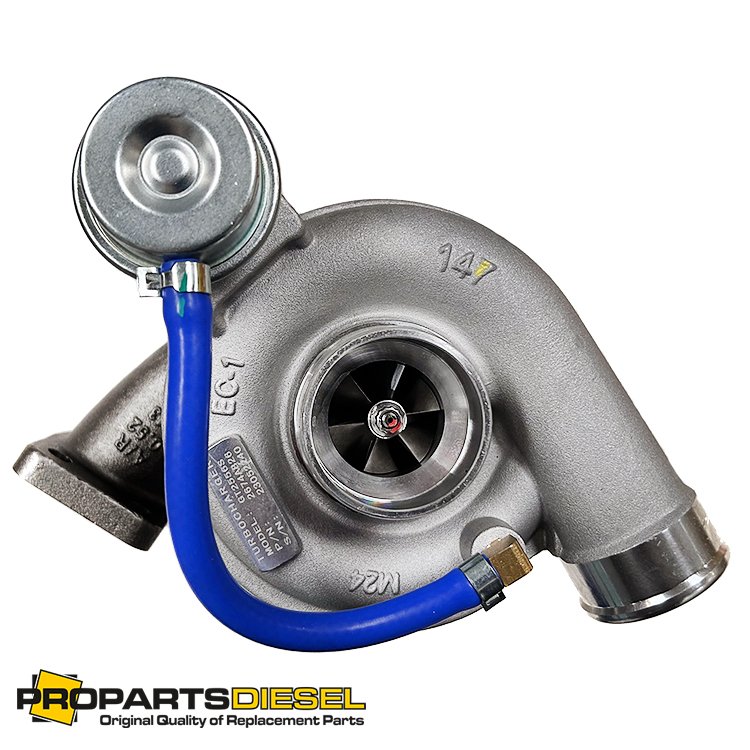
When you hear "Perkins 147 Turbo Generators," it immediately brings to mind robust, reliable power solutions operating across some of the world's most demanding environments. While "147" might refer to a specific component series or a general identifier within the vast Perkins ecosystem, the core idea points to turbocharged Perkins engines powering generator sets – and the applications are as diverse as they are critical. These powerhouses are engineered to deliver consistent performance, whether you're off-grid, running heavy machinery, or ensuring essential services stay online.
This guide will take you deep into the world of Perkins turbo-powered generators, exploring exactly where and how these tireless machines make an impact. We’ll cut through the jargon to show you why they’re indispensable in industries ranging from agriculture to marine, and what makes their turbochargers – often the unsung heroes – so vital to their widespread adoption.
At a Glance: Key Insights into Perkins Turbo Generators
- Versatile Power: Perkins turbocharged engines, often driving generators, are used in agriculture, construction, marine, and industrial sectors.
- Enhanced Performance: Turbochargers boost engine horsepower and torque without increasing engine size, leading to greater efficiency and output.
- Fuel Efficiency: Optimized air-fuel mixture from turbocharging translates to lower fuel consumption and reduced operating costs.
- Reduced Emissions: More complete combustion helps lower harmful exhaust emissions, meeting modern environmental standards.
- Reliable Operation: Designed for demanding, continuous-duty work, these systems offer dependable power generation in critical applications.
- Quality Components: Turbochargers from leading brands like Garrett, Holset, BorgWarner, and IHI ensure longevity and OEM-standard performance.
- Maintenance Matters: Regular checks and timely turbocharger replacement are key to maximizing the lifespan and efficiency of your Perkins unit.
The Unseen Force: Understanding Perkins Turbo Generators
At its heart, a Perkins generator combines a highly reliable Perkins engine with an electrical alternator to produce power. When we add the "turbo" prefix, we're talking about a significant upgrade: the engine is equipped with a turbocharger, a forced induction device that compresses the air flowing into the engine's combustion chambers. This allows more air and fuel to be burned in each stroke, dramatically increasing power output and efficiency without enlarging the engine's physical footprint.
Perkins engines, like the 1004-4T, 1104A-44T, or the robust VISTA 6, are prime examples of powerplants that frequently benefit from turbocharging. Models such as the T4.40, a four-cylinder, 4000 CC engine, or the T6.60, a six-cylinder, 5980 CC unit, leverage turbos like the GT2052S or GT3267 respectively to enhance their performance. This setup is particularly advantageous for generator applications, where a consistent and powerful output is paramount.
The turbocharger essentially acts as a performance multiplier. It captures wasted exhaust gases to spin a turbine, which in turn drives a compressor. This compressor shoves more air into the engine, leading to a host of benefits that directly translate into better generator performance and operational savings.
The Power Behind the Performance: Why Turbochargers Matter for Perkins Engines
For any Perkins engine powering a generator, the presence of a turbocharger isn't just a luxury; it's a strategic enhancement that delivers tangible advantages.
- Increased Power & Torque: A turbocharged engine can produce significantly more horsepower and torque than a naturally aspirated engine of the same size. This means a smaller, lighter engine can deliver the power output of a much larger non-turbocharged unit, crucial for compact generator sets or applications with strict weight limits. For instance, an 1104A-44T engine (4 cylinders, 4400 CC, 115 HP) utilizing a GT2556 turbocharger can efficiently power demanding loads.
- Improved Fuel Efficiency: By forcing more air into the cylinders, the engine achieves more complete combustion. This optimized air-fuel mixture means less fuel is wasted, leading to lower operating costs and extended run times between refueling. The economic benefits over a generator's lifespan are substantial.
- Reduced Emissions: More complete combustion also means fewer unburned particulates are released into the atmosphere. This helps turbocharged Perkins engines meet increasingly stringent emissions regulations, making them a greener choice for various industries.
- Better High-Altitude Performance: At higher altitudes, the air is thinner, naturally reducing an engine's power. Turbochargers compensate for this by compressing the sparse air, ensuring the engine maintains its power output even in challenging environments.
- Reliability and Longevity: Modern turbochargers, built to OEM standards, are incredibly robust. When matched correctly to the engine, they contribute to the overall reliability and extended service life of the generator set. Companies like Goldfarb & Associates emphasize that their turbo solutions are matched to OEM standards for direct-fit installation and durability, ensuring maximum boost through fresh bearings and seals.
The synergy between a powerful Perkins engine and a meticulously engineered turbocharger creates a generator solution that is not only potent but also remarkably efficient and environmentally conscious. For those who want to dive deeper into the specifics, you can explore the Perkins 147 turbo generator and its foundational technology.
Key Industries & Applications: Where Perkins Turbo Generators Shine
Perkins turbo-powered generators are the workhorses behind countless operations globally. Their reputation for resilience and consistent output makes them a preferred choice across a spectrum of industries.
Power Generation: The Backbone of Reliability
This is perhaps the most direct and crucial application. Perkins turbocharged engines are widely used to drive standby generators, prime power units, and rental power solutions.
- Emergency Standby Power: Hospitals, data centers, manufacturing plants, and critical infrastructure rely on Perkins turbo generators to automatically kick in during grid outages, ensuring continuous operation and preventing costly downtime. The immediate power delivery enabled by efficient turbocharging is critical here.
- Remote & Off-Grid Power: In locations without access to the national grid, such as remote construction sites, mining operations, or agricultural outposts, these generators serve as the sole source of electricity. Their fuel efficiency and robust design are invaluable.
- Rental Power Units: The demanding rental market requires generators that are easy to deploy, reliable under varied conditions, and fuel-efficient. Perkins turbo generators fit this bill perfectly, powering events, temporary facilities, and emergency responses.
The ability of a turbocharged Perkins engine to maintain stable voltage and frequency under varying loads is paramount for sensitive equipment, making them ideal for these critical power generation roles.
Agriculture: Keeping Fields Moving
The agricultural sector depends heavily on reliable power, often in remote and dusty conditions. Perkins turbo generators provide the muscle for a variety of tasks:
- Irrigation Pump Units: Powering large-scale irrigation systems, ensuring crops receive essential water.
- Dairy Farms: Providing consistent power for milking machines, cooling systems, and other vital operations.
- Grain Storage & Processing: Running conveyors, dryers, and ventilation systems to protect harvests.
- Tractors & Combines: While not generators themselves, the engines in these machines (like the T4.40 or 1103A, which utilize turbochargers) are the same robust Perkins units that also power generator sets, demonstrating the shared core technology and reliability.
Construction: Powering the Build
Construction sites are rugged environments requiring robust and dependable power. Perkins turbo generators are integral to keeping projects on track:
- Skid-Steers, Backhoes, Excavators: Again, the engines in this heavy equipment often use Perkins turbochargers (e.g., for the 1104C or 1106D 6.0L engines), ensuring they have the torque and power needed for digging, lifting, and moving earth. The generator versions provide auxiliary power.
- Site Electrification: Powering temporary offices, lighting, power tools, and welding equipment in areas without grid access.
- Concrete Mixers & Cranes: Providing the necessary electrical power to operate large construction machinery on site.
Marine: Navigating with Confidence
In the unforgiving marine environment, engine reliability is not just about convenience; it's about safety. Perkins engines, including turbocharged variants like those found in the T6.60 series or D2-75 Diesel models, are well-regarded for marine applications.
- Commercial Fishing Boats: Powering onboard electronics, refrigeration units, winches, and auxiliary systems.
- Pleasure Craft: Providing comfortable amenities like air conditioning, galley equipment, and navigation systems.
- Marine Generator Sets: Essential for larger vessels to generate electricity for all onboard systems, ensuring continuous operation at sea. The durability of turbos from brands like IHI, known for high-temperature alloys, is critical here.
Industrial Operations: Driving Everyday Work
Beyond the more visible applications, Perkins turbo generators are the quiet workhorses in a multitude of industrial settings:
- Air Compressors: Powering large compressors used in manufacturing, mining, and workshops.
- Water Pumps: Essential for dewatering sites, municipal water systems, or industrial fluid transfer.
- Material Handling Machines: Forklifts and other heavy-duty material movers often use Perkins engines, with generator sets providing auxiliary power in warehouses or distribution centers.
- Forestry Equipment: Providing robust power for logging machinery and wood processing.
Across these diverse sectors, the consistent theme is the need for reliable, efficient, and powerful energy. Perkins turbo generators, with their proven engine technology and performance-boosting turbochargers, consistently rise to meet these demands.
Choosing the Right Turbocharger for Your Perkins Engine: A Critical Decision
The performance and longevity of your Perkins turbo generator heavily depend on the quality and suitability of its turbocharger. Selecting the right replacement or upgrade isn't just about finding a part that fits; it's about ensuring it meets the specific demands of your engine model and application.
According to Goldfarb & Associates, a trusted source for Perkins turbocharger solutions, there are distinct tiers of quality and various reputable brands to consider:
Turbocharger Solution Tiers: Matching Needs to Investment
When facing a turbocharger replacement, you generally have three primary options, each offering a different balance of cost and expected lifespan:
- Brand-New Turbochargers: These are built precisely to Perkins factory tolerances, offering the full life expectancy and typically including manufacturer’s warranties. They are the ideal choice for fleets with strict maintenance schedules or any application where maximum reliability and uptime are non-negotiable.
- Certified Rebuilt Turbochargers: A more economical yet highly reliable option, these feature remanufactured cores equipped with new bearings, seals, and compressor wheels. Crucially, each unit undergoes dynamic balancing and pressure testing by reputable remanufacturers, ensuring performance close to a new unit at a lower cost.
- Cost-Effective Used Turbochargers: For budget-conscious operators, hand-selected units from low-hour engines offer a viable alternative. These pass a rigorous inspection checklist and are offered in solid, rebuildable condition at a significantly lower upfront cost. This option is great for less critical applications or as a temporary fix.
Top Turbocharger Brands: Synonymous with Quality
Regardless of the tier, ensuring the turbocharger comes from a reputable manufacturer is paramount. Industry leaders known for their quality and reliability include:
- Garrett: Renowned for advanced aerodynamics and precise balancing, Garrett turbos offer rapid spool-up and steady boost, critical for responsive generator operation.
- Holset: Characterized by robust journal bearings and high-flow housings, Holset turbos are particularly suited for demanding continuous-duty work, common in generator applications.
- BorgWarner: These turbos feature precision-machined components designed for consistent boost in heavy-haul and off-highway applications, making them a solid choice for industrial generators.
- IHI: Known for utilizing high-temperature alloys and reinforced housings, IHI turbochargers are built for exceptional durability in harsh environments, such as marine or remote power generation.
When making your choice, always confirm that the turbocharger is tailored to your specific Perkins engine model (e.g., T4.40, T6.60, 1103A, 1104C, 1106D 6.0L, N844L-T, Vista 4 EPA Tier 2 4.4L, D2-75 Diesel). This ensures direct-fit compatibility with exhaust flanges, oil feed/return lines, and coolant passages without requiring custom modifications.
Maximizing Your Perkins Turbo Generator's Lifespan: Maintenance & Early Detection
A Perkins turbo generator is an investment designed for the long haul, but like any sophisticated machinery, its lifespan and peak performance hinge on diligent maintenance and the ability to spot issues early. This is especially true for the turbocharger, which operates under extreme conditions.
Essential Maintenance Practices
- Regular Oil Changes: Clean oil is vital. The turbocharger bearings are lubricated by engine oil, and contaminated or degraded oil can lead to premature wear and failure. Follow Perkins' recommended oil change intervals and use the specified oil type.
- Air Filter Replacement: A clean air filter prevents dirt and debris from entering the turbocharger's compressor wheel, which can cause damage and reduce efficiency.
- Check for Leaks: Regularly inspect oil and coolant lines connected to the turbo for any signs of leakage. Oil leaks can starve the turbo of lubrication, while coolant leaks can lead to overheating.
- Exhaust System Integrity: Ensure the exhaust system is free of blockages or leaks, as backpressure can negatively impact turbo performance and longevity.
Recognizing the Signs of a Worn Turbocharger
Knowing what to look for can save you from a complete turbocharger failure and potentially more extensive engine damage. Common indicators of a failing turbocharger include:
- Slow Acceleration Under Load: If your generator struggles to reach its rated output or takes longer than usual to respond to increased electrical demand, a failing turbo might be the culprit.
- Heavy Exhaust Smoke:
- Blue Smoke: Often indicates oil leaking past worn turbo seals and burning in the exhaust.
- Black Smoke: Suggests incomplete combustion, which can be caused by the turbo failing to supply enough compressed air.
- White Smoke: Could be coolant leaking into the exhaust, though less common for turbo-specific issues.
- Increased Fuel Consumption: A less efficient turbocharger means the engine has to work harder to produce the same power, leading to higher fuel use.
- Whining or Whistling Noise: A distinct, high-pitched noise (often described as a siren or dental drill sound) emanating from the engine bay, especially under boost, is a classic sign of worn turbocharger bearings or impeller contact.
- Loss of Power (Limp Mode): In modern engines, a failing turbo can trigger fault codes that put the engine into a reduced power mode to prevent further damage.
Addressing these signs promptly with inspection and potential replacement by qualified technicians will restore maximum boost, improve fuel economy, reduce emissions, and extend the overall life of your Perkins turbo generator.
Navigating the Turbocharger Market: What to Look For in a Provider
When it comes time to service or replace a turbocharger for your Perkins generator, choosing the right supplier is as important as choosing the right part. You need a partner who understands the intricacies of these critical components and can offer reliable solutions.
Look for a provider that offers:
- Extensive Inventory: A wide selection of new, rebuilt, and used turbochargers for a comprehensive range of Perkins engine models (e.g., T4.40, T6.60, 1103A, 1104C, etc.). This ensures you can find the exact match for your unit, often with rapid fulfillment capabilities like same-day processing for in-stock orders.
- OEM Quality Assurance: The parts should meet or exceed Perkins’ original performance criteria. This includes ensuring they are tailored to the engine's exact mounting, oil, and coolant connections, allowing for direct-fit installation without custom modifications.
- Expert Technical Support: Turbochargers are complex. Access to specialists who can provide guidance, diagnose issues, and help you select the correct part is invaluable. This expertise ensures you get the right solution the first time.
- Reputation and Service Network: A company with a strong service network and positive track record indicates reliability and commitment to customer satisfaction. Look for businesses that emphasize their long-standing partnerships with top turbocharger brands like Garrett, Holset, BorgWarner, and IHI.
Choosing a provider that combines expertise with quality products ensures your Perkins turbo generator continues to operate at its best, delivering the dependable power you need across all its diverse applications.
Delivering Enduring Performance with Perkins Turbo Generators
The applications and industries utilizing Perkins 147 turbo generators, or more broadly, turbocharged Perkins engines powering generator sets, are a testament to their enduring design, robust performance, and critical reliability. From keeping hospitals powered during emergencies to ensuring bountiful harvests in agriculture, and from driving heavy construction equipment to providing vital electricity at sea, these machines are at the heart of modern operations.
The turbocharger, often a component overlooked by the casual observer, is truly what elevates a Perkins engine to its full potential, transforming it into an efficient, powerful, and environmentally conscious workhorse. By understanding the critical role of these turbochargers, committing to diligent maintenance, and partnering with knowledgeable suppliers for genuine or high-quality replacement parts, operators can ensure their Perkins turbo generators continue to deliver peak performance for years to come. The power to build, grow, navigate, and protect – that’s the enduring promise of Perkins turbo-powered solutions.